

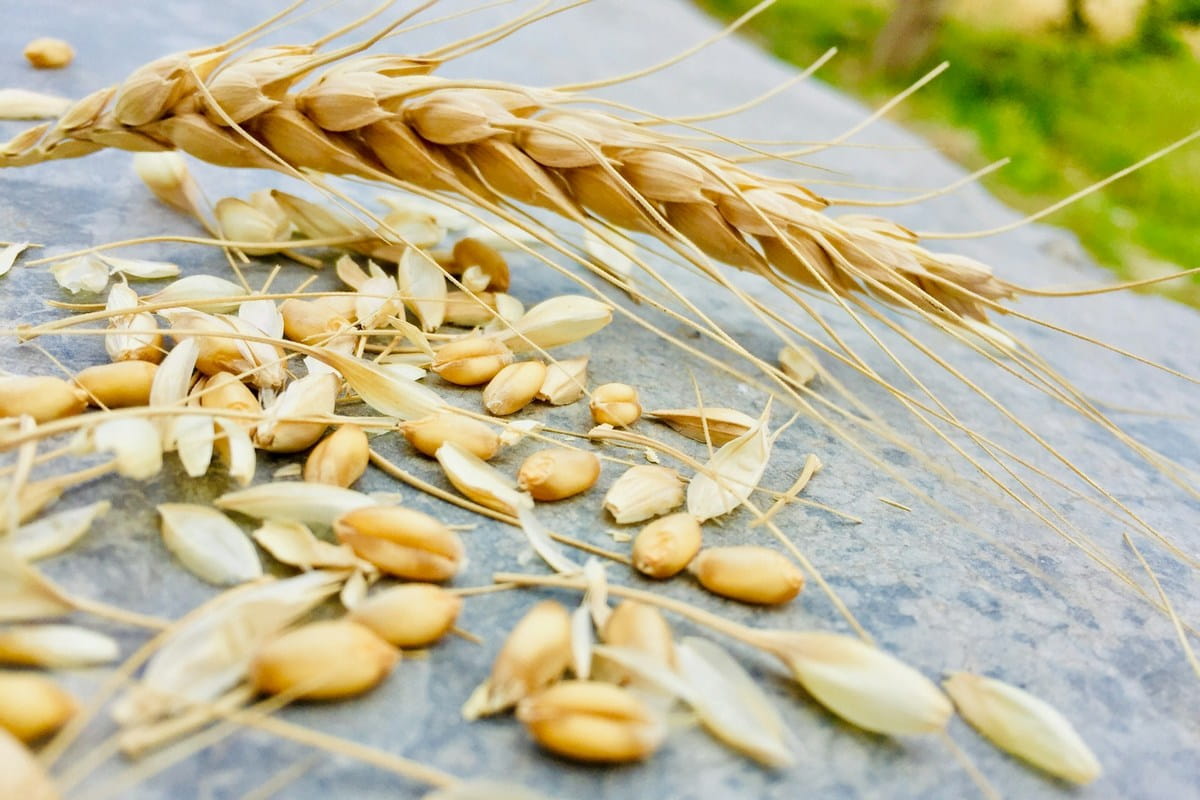
A recent post The Atlantic magazine in the US, highlighted how the modern enthusiasm for whole grains has drifted from its scientific roots.
In the 1990s, nutrition experts promoted whole grains as a healthy alternative to refined grains, which can cause blood sugar spikes. Studies linked whole grains to lower risks of cancer and heart disease. By 2015, US guidelines recommended making half of all grain intake whole. However, many researchers now argue that common whole-grain products are a fiction.
There is no universal agreement on what a “whole-grain food” is. Different bodies use different definitions. One study found that a person could be classed as a high consumer under one standard and a low consumer under another. The category that most often qualified as whole grain was ready-to-eat breakfast cereals, which are heavily processed and often high in added sugar.
Some research has questioned the health benefits of these products. A 2022 study found that popcorn does not reduce heart disease risk, unlike brown rice or oatmeal. A 2009 trial showed whole-wheat bread spiked blood sugar more than white pasta. Researchers believe the physical structure of the grain matters more than simply having bran and germ. Many commercial breads and cereals are “molecularly disassembled”, meaning their parts are sourced from different factories. This processing makes them digest quickly, similar to refined grains. Studies show that less processed, intact grains lead to better blood sugar control and weight management.
Conclusion
- No clear definition: Different labels and standards for “whole-grain foods” create confusion.
- Processing matters: Finely milled or “molecularly disassembled” whole grains act like refined grains in the body, spiking blood sugar.
- Intact grains are better: Brown rice and whole oats show clearer health benefits than processed whole-grain breads or cereals.
- Label reading is hard: There is no easy way to tell if a grain’s structure has been disrupted, making healthy choices difficult.
Source: How the Whole-Grain Trend Went Wrong by Trisha Pasricha published in The Atlantic.