

Walk down any supermarket aisle in Australia, and you’ll see the word “natural” everywhere. Natural snacks. Natural yoghurts. Natural cereals. But what does it actually mean? And more importantly, can you trust it?
At the Natural Food Guide, we cut through the marketing noise. We know you want to eat well, feed your family well. You want food that tastes good, feels good, and doesn’t wreck the planet. That is not a luxury. That is common sense.
But the rise of “natural” on packaging has created a fog. In this guide, we clear that fog. We define what real natural food looks like, explore its benefits for your body and the bush, expose the marketing tricks, and give you three practical tips you can use today.
Let’s get back to basics.
What Actually Is Natural Food? (The Real Definition)
Let’s be honest. There is no legal, standardised definition of “natural” in Australian for food labels. That is the first problem. A factory-made biscuit with a sketch of a wheat field can call itself natural. A sugary drink with a green leaf on the label can do the same.
So we need our own working definition.
Real natural food is a single ingredient that has been minimally changed from its original state.
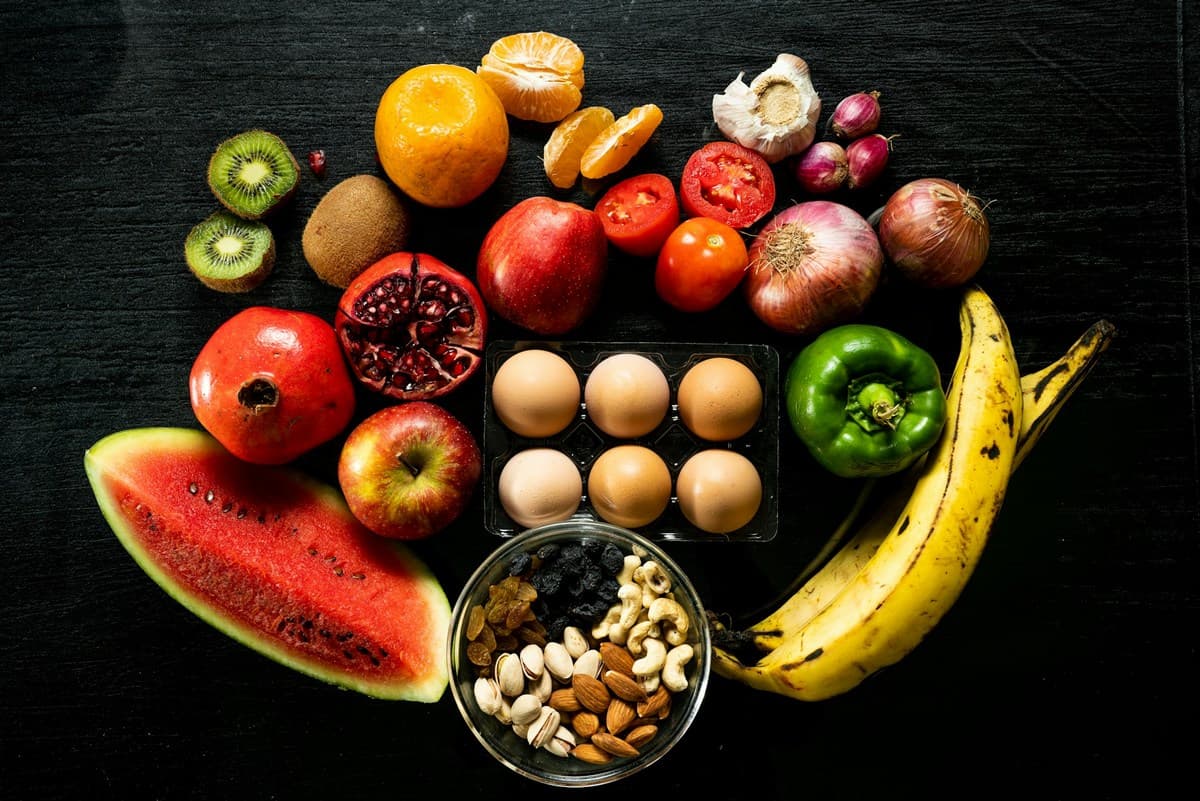
Think of an apple pulled from a tree in the Huon Valley. Think of a piece of wild-caught barramundi. Think of a handful of raw almonds, or a bunch of kale with morning dew still on it.
These foods do not come with a long list of additives. They do not require a chemistry degree to read the back of the pack. They are exactly what they say they are.
For the purposes of this guide, we include foods that have undergone simple, traditional processes: milling grains into flour, pressing olives into oil, fermenting milk into yoghurt. But once you add industrial emulsifiers, artificial flavours, or preservatives with numbers on them, you leave “natural” behind.
In short: natural foods respect the ingredient. They do not disguise it.
Key Characteristics of Genuine Natural Foods
If you want to shop with confidence, look for these four markers. Real natural foods are:
1. Single or short-ingredient. The best natural food has one ingredient: the food itself. Good natural products might have three to five whole food ingredients (e.g., oats, water, salt). That’s it.
2. Unprocessed or minimally processed. No industrial refining. No chemical extraction. If a machine turned a corn kernel into a dozen unrecognisable powders before reassembling it as a snack food, it is not natural.
3. Free from artificial additives. No artificial colours, flavours, sweeteners, or preservatives. Real food doesn’t need them. It rots eventually, and that is actually a good sign.
4. Seasonally and locally aware. A natural diet changes with the seasons. You eat stone fruit in summer, citrus in winter. This is how humans ate for 99% of our history. It is also cheaper and kinder to the land.
The Benefits to Your Body: Food as Medicine
You have heard the phrase ‘food as medicine’. It is not a fad. It is a return to an ancient truth. The food you put in your mouth directly shapes your energy, your mood, your sleep, and your long-term health.
When you eat real natural foods, you give your body what it evolved to recognise. A whole sweet potato is packed with fibre, vitamin A, and slow-release carbohydrates. A factory-made “natural” sweet potato chip might have the same vegetable, but also industrial oil, rice flour, sugar, and anti-caking agents. Your body treats these very differently.
Here is what the evidence shows:
- Better gut health. The fibre in whole fruits, vegetables, legumes, and grains feeds your good gut bacteria. A healthy microbiome is linked to better immunity, mood, and even weight management.
- Steadier energy. Without refined sugar and white flour, your blood sugar stays stable. No 3pm crash. No irritability before dinner.
- Clearer skin and stronger hair. Processed foods trigger inflammation. Whole foods are rich in antioxidants and healthy fats that calm that fire.
- Reduced risk of chronic disease. Heart disease, type 2 diabetes, and some cancers are all linked to ultra-processed diets. Natural foods are your first line of defence.
This is ‘food as medicine’ in action. You are not just eating. You are nourishing every cell.
The Benefits to the Environment
Here is something that often gets missed. Choosing natural food is not just a personal health choice. It is an environmental act.
Industrial food production is a major driver of land clearing, water pollution, and carbon emissions in Australia. When you buy a heavily processed “natural” bar wrapped in plastic, you are paying for energy-hungry factories, long transport chains, and synthetic fertilisers.
When you buy real natural food, especially from local farmers’ markets, you support a different system:
- Less packaging. A bunch of bananas needs no plastic. A pumpkin needs no cardboard box.
- Lower carbon footprint. Local food travels fewer kilometres. Seasonal food requires fewer heated greenhouses.
- Healthier soils. Small-scale natural farmers rotate crops and use compost. This locks carbon into the ground and keeps waterways clean.
- Less waste. When you cook from whole ingredients, you use the peel, the stalk, the seeds. You learn to waste less.
Our farmers’ markets directory exists precisely because where you shop matters. Every dollar is a vote. Vote for the world you want to live in.
The Ugly Side: How “Natural” Gets Misused in Marketing
Now for the part that makes us angry. And it should make you angry too.
Because there is no legal standard, big food companies have turned “natural” into a marketing weapon. It is what lawyers call “puffery” – a vague feel-good word with no legal teeth.
Here are three common tricks to watch for:
1. “Made with natural ingredients.” A chocolate bar might be “made with natural cocoa” but also contain emulsifiers, artificial vanilla, and palm oil. The phrase sounds lovely. It means almost nothing.
2. Natural colours and flavours. These can come from natural sources, yes. But a “natural strawberry flavour” might be distilled from a beaver’s anal gland (castoreum) or fermented corn. It contains no actual strawberry. It tricks your brain into expecting nutrition that isn’t there.
3. Green packaging and earthy fonts. Companies spend millions on design to make ultra-processed food look like it came from a farmhouse kitchen. They put a picture of a cow on an oat biscuit that contains almost no oats. They write “simple” and “wholesome” on a box of sugar puffs.
Do not fall for it. Flip the pack over. Read the ingredients. If you see numbers, long chemical names, or anything you wouldn’t recognise on a farm, put it back.
The Cost Concern: Is Natural Food Too Expensive?
We hear this all the time. “I would love to eat natural food, but it costs too much.”
Let’s be honest. Some natural food is expensive. A grass-fed steak from a farmers’ market costs more than a factory-farmed steak from a big supermarket. Organic blueberries in winter cost a fortune.
But here is the full picture that supermarkets don’t want you to see.
Most natural food is actually very cheap. A bag of dried lentils costs a few dollars and makes six meals. A head of cabbage costs less than a bottle of soft drink. A bag of rolled oats costs less than a box of “natural” breakfast cereal.
The expensive stuff is usually meat, out-of-season fruit, and fancy packaged “health foods” (which are often not that healthy anyway).
The real cost difference is time, not money. It takes ten minutes to soak beans. It takes five minutes to chop vegetables. Processed food sells you convenience. Natural food asks you to cook.
But here is the deeper truth: paying for real food now saves you paying the doctor later. A diet of ultra-processed food is linked to obesity, diabetes, and heart disease. Those costs are enormous. Food as medicine is not just a philosophy. It is an economic fact.
If you are on a tight budget, start small. One natural meal a day. One farmers’ market shop a fortnight. It adds up faster than you think.
Three Practical Tips You Can Use Immediately
You do not need a pantry makeover or a thousand-dollar shopping trip. Here are three things you can do today to source real natural food with confidence.
1. Shop the perimeter of the supermarket. Fresh produce, meat, fish, eggs, and dairy often live on the outside walls. The centre aisles are where processed food lives. Walk the perimeter first. Fill your trolley there. Then go inside only for specific things like oats, lentils, and spices.
2. Find your local farmers’ market (and go in the last hour). Use our directory. Go near closing time. Stallholders would rather sell a box of tomatoes for half price than load them back into the truck. You get incredible natural food for less than supermarket prices. Bring your own bags and containers.
3. Learn the “three-ingredient rule”. Before you buy any packaged food, read the ingredients. If it has more than three items on the list, or if you don’t recognise an ingredient, put it down. Real natural food does not need a long story. For example, natural peanut butter should list peanuts and maybe salt. That’s it. If it lists sugar, palm oil, and emulsifier 471, it is not natural.
Conclusion: Keep It Simple
Natural food is not complicated. A generation ago, no one needed a guide to define it. You ate what grew, what you caught, what your neighbour raised. The confusion is new. The marketing tricks are new. The food itself is ancient.
Let’s summarise the main points:
- Real natural food is a single ingredient or a short list of whole foods, minimally processed.
- It benefits your body through stable energy, better gut health, and lower disease risk – true ‘food as medicine’.
- It benefits the environment by reducing packaging, waste, and carbon.
- The word “natural” on a pack is not legally protected. Read ingredients, not the front of the box.
- Natural foods can be very affordable if you buy lentils, seasonal veg, and shop at farmers’ markets.
- Use the three-ingredient rule, shop the perimeter, and visit markets in the last hour.
You don’t need to be perfect. You don’t need to go vegan or keto or raw. You just need to look at your plate and ask: “Where did this come from? And what has been done to it?”
The more you ask those questions, the harder it becomes to be fooled. And the more you share those answers with your friends and family, the more the food industry will have to change.
So bookmark this article. Share it with a mum who feels guilty about her shopping budget. Share it with a couple who want to eat better but don’t know where to start. We are building a community of confident, curious eaters right here on the Natural Food Guide.
Now go and eat something real. The planet will thank you. Your body will thank you. And your food has never tasted better.